
Scottsdale Resident Records Matrix
No public agency keeps a complete roll of everyone living in Scottsdale. The most useful resident lookup therefore starts by choosing the record that can prove the needed fact. A parcel record proves legal ownership, not who sleeps at an address. A deed proves a transfer. A court index can establish that a named party appears in a case, while a voter tool addresses only registration and election information. Historical certificates are useful for genealogy after Arizona's waiting periods, and business or license files show affiliations rather than a home.
| Record | What It Confirms | Where | Access |
|---|---|---|---|
| Parcel roll | Owner, situs, separate mailing address | Maricopa County Assessor | Free public search |
| Recorded deed | Transfer parties, date, and legal parcel | Maricopa County Recorder | Index and images; certification from office |
| Voter record | Registration status, district, and participation | My.Arizona.Vote or lawful county request | Identity-gated or request-based |
| Court record | Party, case event, status, and disposition | City, county, or state court | Public portions; clerk fallback |
| Vital record | Historical birth or death fact | Arizona genealogy or vital office | Public after age rule; current copies restricted |
| Business or license file | Entity role or credential status | ACC, Secretary of State, or board | Public index; authority varies |
Start with the strongest known identifier. An address points first to the assessor. A case number belongs at the court of record. A date and family relationship may point to a vital index or probate file. If the aim changes from one person to a full address chain, the Scottsdale street directory lookup keeps that broader task separate.
Confirm a Scottsdale Resident
A sound Scottsdale resident lookup anchors a name to place and time before adding other records. The Maricopa County Assessor may return a trust, spouse, or entity instead of the person expected. Compare the parcel's physical location, called the situs address, with the owner mailing address. A match supports an owner-occupancy theory, but does not prove it. A mismatch can reflect a seasonal owner, a preferred mailing point, trust administration, or property held for another purpose.
- Normalize the full name. Search surname, initials, co-owner, trust, and compound-name variants.
- Anchor the person to a parcel or recorded deed. Save the APN, legal description, date, and exact party role.
- Search the right court by name and narrow with a middle initial, date, place, attorney, and case chronology.
- Use voter, business, license, vital, or probate records only for the separate fact each source can support.
- Ask the originating custodian for a filed or certified copy when the fact must carry official weight.
- Docket
- The court's chronological list of filings, hearings, and events in a case.
- Index versus image
- An index points to a record and summarizes fields; an image shows the filed document itself.
- Certified copy
- A copy formally authenticated by the office that holds the original record.
- Situs address
- The physical location of a taxed parcel, distinct from the owner's mailing address.
Common names need restraint. Two weak matches do not create an identity. Record the source, search date, and exact fields used, then keep conflicting results separate until a stronger identifier resolves them.
Scottsdale Court Lookup Paths
Jurisdiction controls a court-based resident lookup. Scottsdale City Court generally covers city ordinance, misdemeanor, and traffic matters. Maricopa County Superior Court carries major civil, criminal, family, and probate files. The statewide Public Access service reports coverage of 177 of 184 Arizona courts, but Maricopa Superior Court is only partly represented there. Civil, family, and probate searches belong in the county docket. Federal matters use the District of Arizona and PACER.
After its CAPTCHA, Arizona Public Access permits case-number or party-name searching. The fields can include last name, first name, date of birth where allowed, court or county, and case type. Sealed cases, orders of protection, mental-health matters, probate, victim or witness information, and juvenile delinquency matters are excluded. Data updates weekly and is informational. Never treat a same-name hit as a Scottsdale identity without corroboration.
The Arizona Public Access screen shows the verification step that comes before its party search.
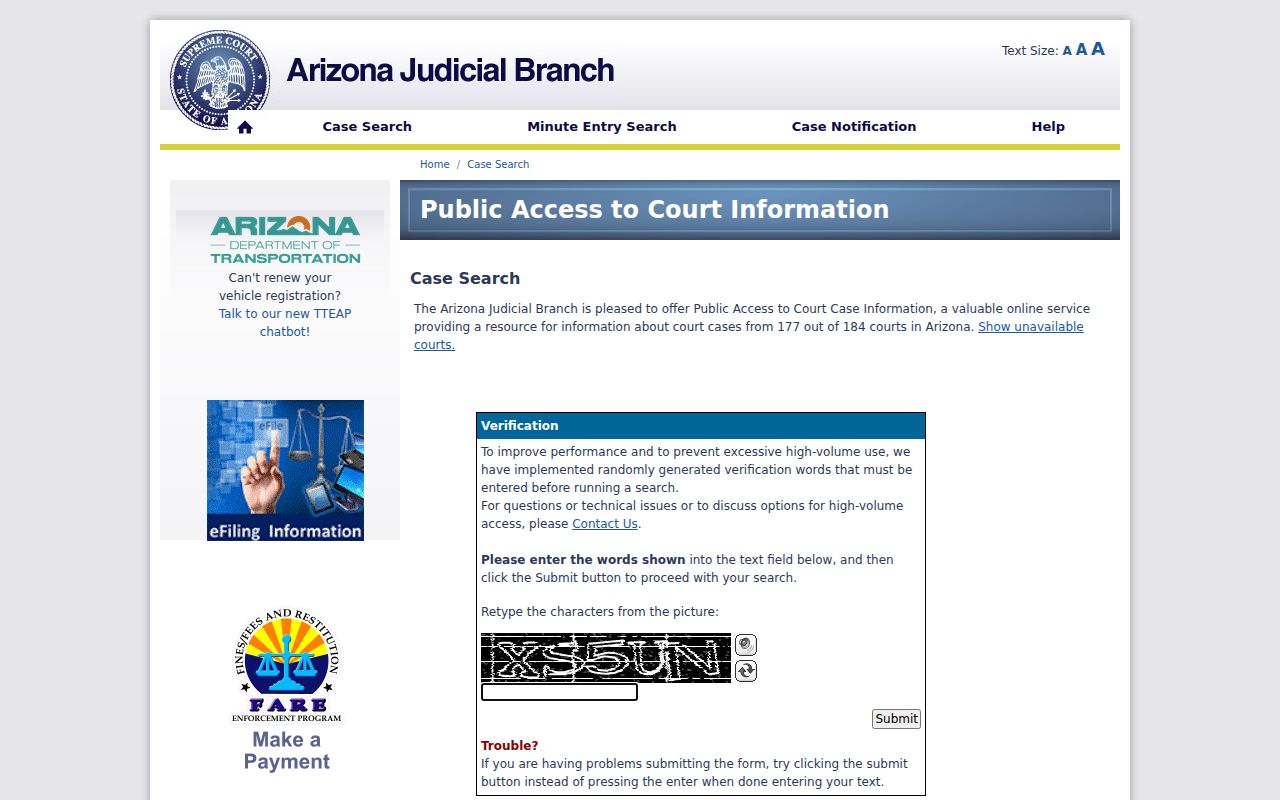
That gate is also a reminder that the statewide service is a discovery index, not the certified court file.
Maricopa Resident Court Lookup
For county civil, criminal, family, or probate chronology, open the Maricopa Superior Court docket.
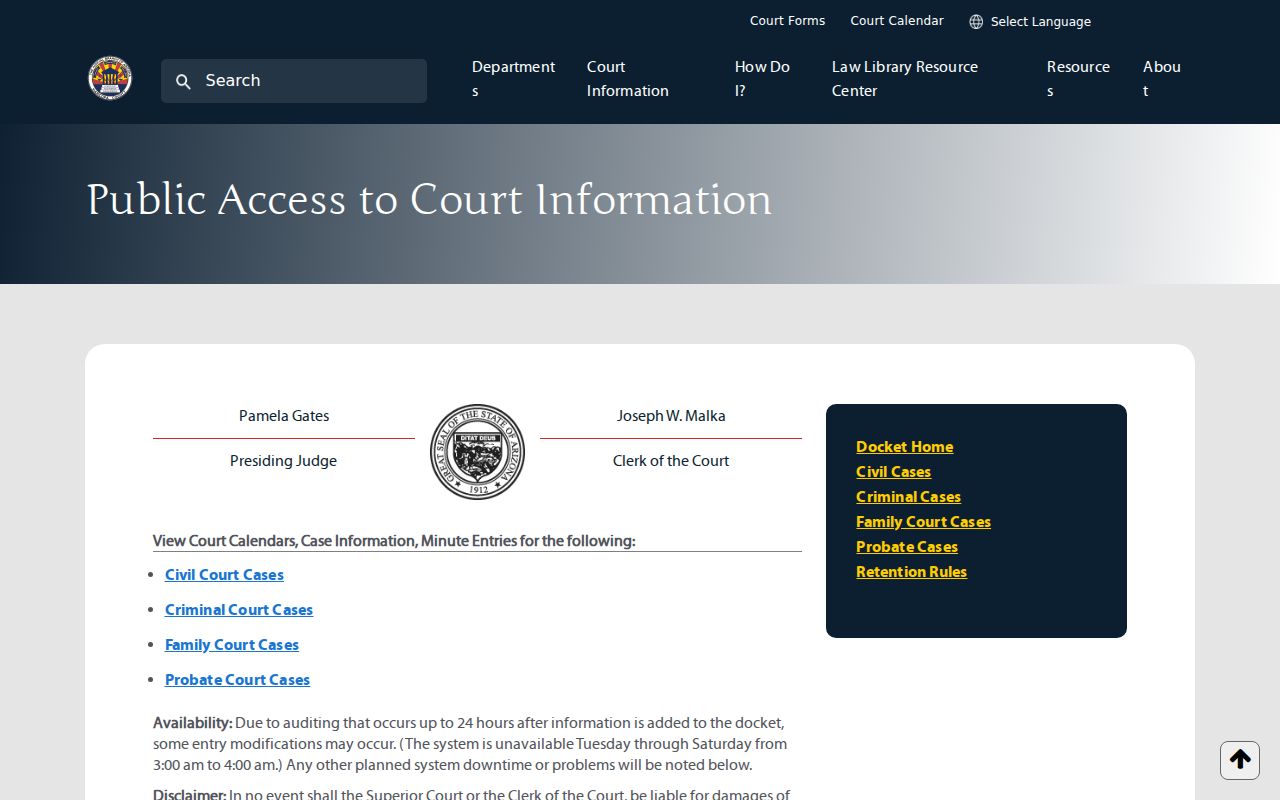
Results may show a case title, filing date, status, court site, public parties, events, minute entries, hearings, and dispositions. The clerk remains the source for a full file.
When an unrestricted filing is sold online, Arizona eAccess can preview the first page with an unofficial mark before purchase.
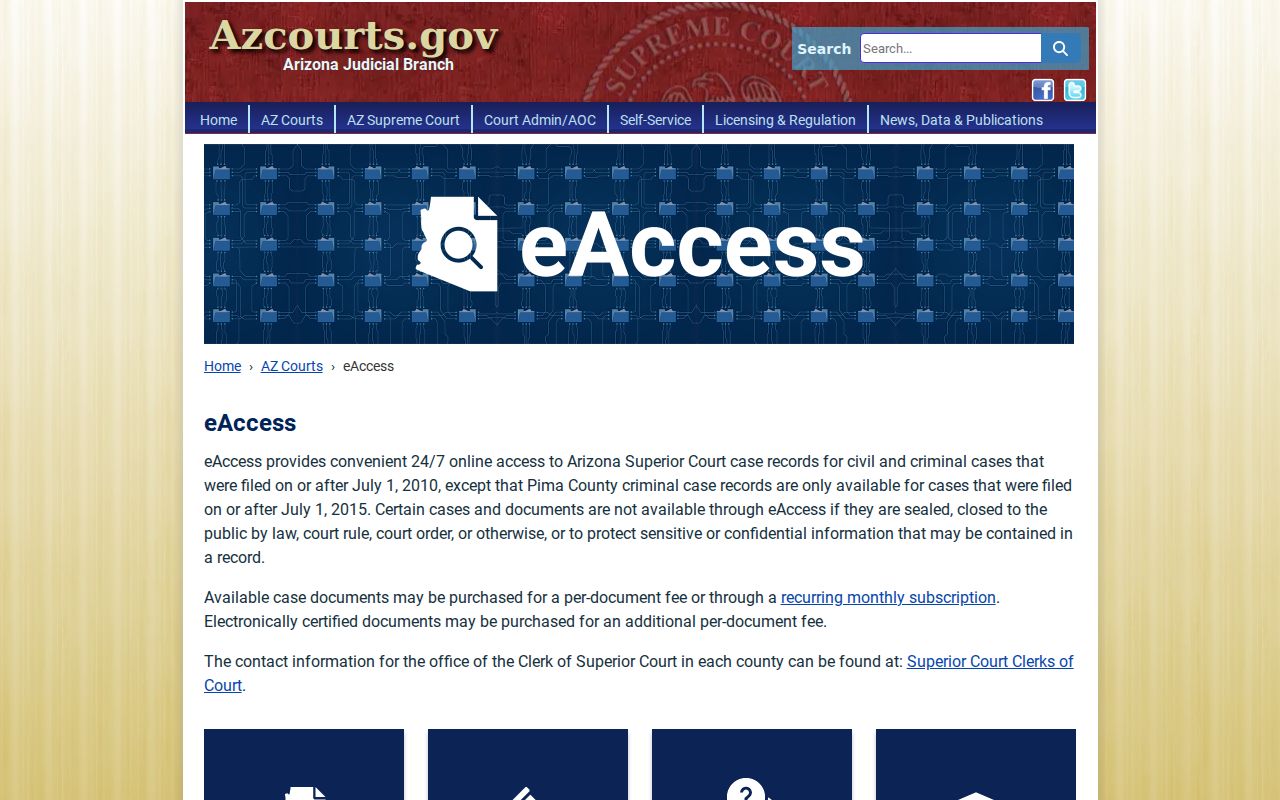
A missing document icon means the item is not available through that channel. Contact the court of record rather than assuming no filing exists.
Scottsdale City Resident Cases
The Scottsdale City Court access page is the local starting point for ordinance, traffic, and misdemeanor matters.
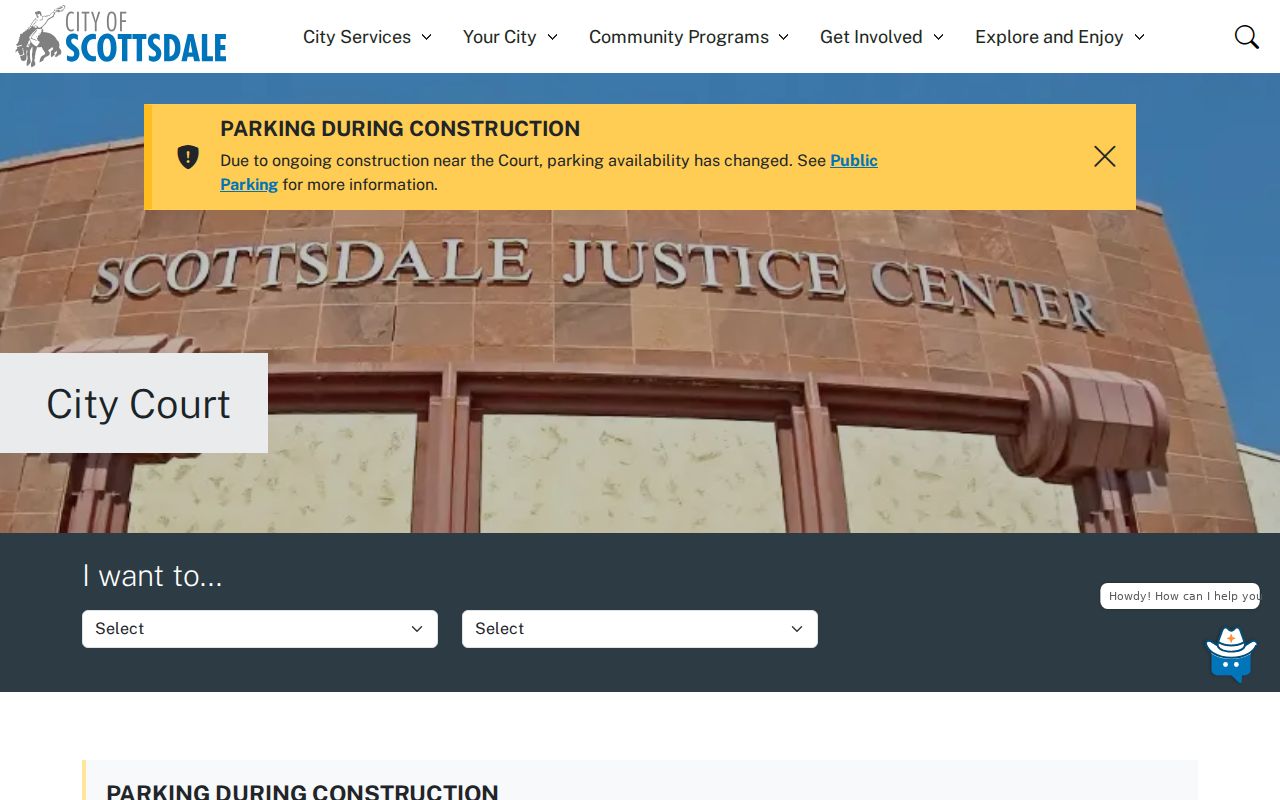
When its case tool is not enough, the court accepts focused requests by email, fax, mail, lobby service, or drop box. The researched form reports a $17 minimum clerk fee, $0.50 per copied page, $17 for each certification, and $17 for an audio CD, with a stated five-to-seven-business-day service window. Do not prepay.
Federal Scottsdale Resident Records
Federal cases require a separate path. The U.S. District Court for the District of Arizona identifies the federal court and clerk channel.
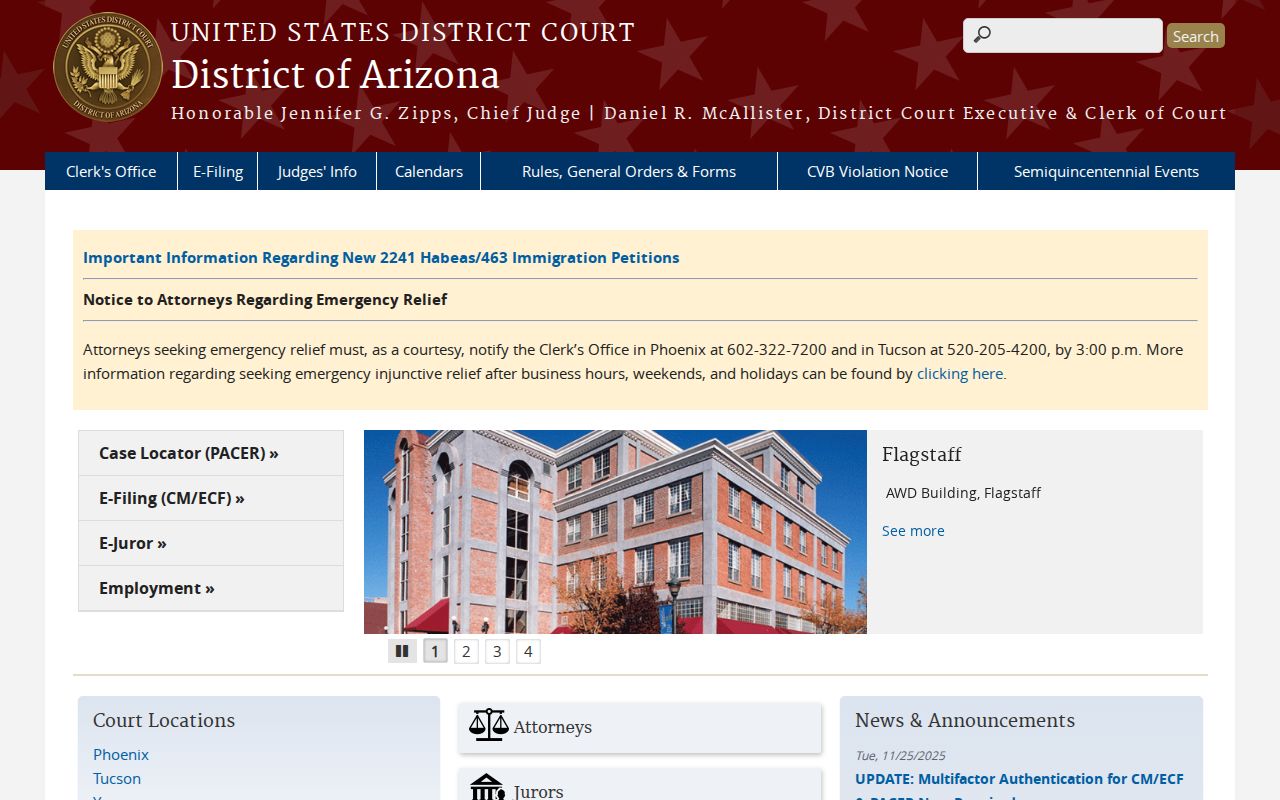
The federal court does not replace Scottsdale, county, or state indexes. Search it only when the event belongs in federal jurisdiction.
The PACER federal records service supplies account-based docket and document access.
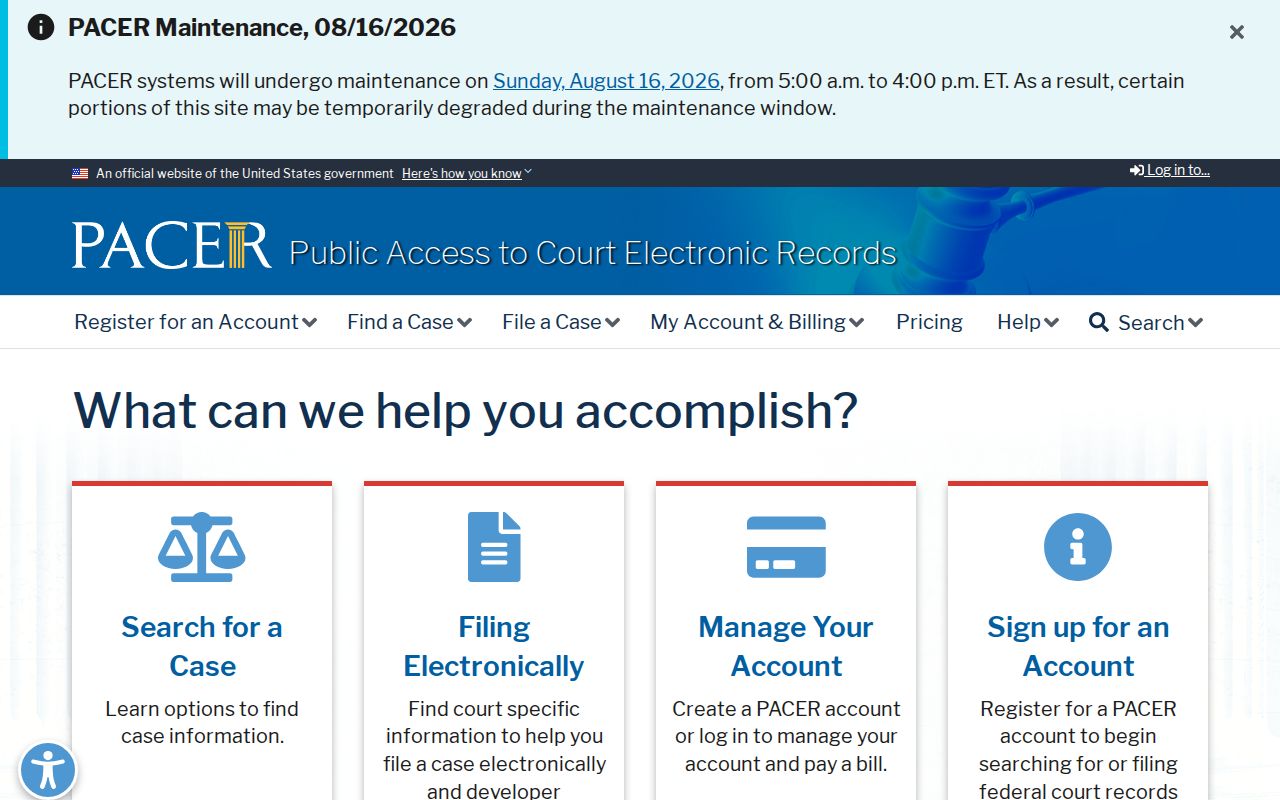
Research captured a charge of $0.10 per page, a $3 cap for many documents, and a quarterly waiver when charges total $30 or less. Current pricing should be checked before use.
Find Scottsdale Heirs Carefully
An heir search should follow the event trail, not jump from a surname to a claimed relationship. Begin with a known decedent, parcel, or probate case. A deed may show the decedent, trustee, estate, or later grantee. The Maricopa probate docket can then supply public case chronology, parties, counsel, and minute entries. Obituaries may suggest family ties, but the probate file, deed, marriage record, or eligible vital certificate provides stronger proof.
When an old address is the only lead, carry its APN and legal description into the Recorder index. Search a seller as a prior buyer, then follow probate when a transfer runs through an estate. Marriage licenses and divorce decrees are Maricopa court records, not Arizona vital certificates. The fallback is the Clerk of the Superior Court for public copies, certification, or a terminal search when an online index does not show the needed filing.
Identity check. A shared surname is not proof of kinship. Compare dates, parcel descriptions, named roles, and filed relationships before joining people.
Reconnect Through Scottsdale Archives
A Scottsdale resident lookup for a former classmate can begin in the Scottsdale Public Library's Heritage Connection. Its yearbooks and student papers can establish the school, class year, spelling, club, or activity tied to a person. The digitized Scottsdale Progress run then adds school news, clubs, marriage notices, obituaries, and later places from 1948 through 1977. A census, public historical certificate, deed, or probate file can confirm the next step.
This is a humane use of the record trail, yet old print must not be mistaken for current contact data. Search name variants and marriage-name changes. If direct contact becomes possible, respect the person's choice not to respond. Rare local items are used in the library and may require an appointment, while Ancestry Library is offered in-house and HeritageQuest adds census and directory material.
Note: Historical directory entries are snapshots; use the Scottsdale Directory Book to interpret old abbreviations and address listings.
Scottsdale Voter Lookup Boundaries
My.Arizona.Vote is a personal verification tool, not a public name browser. It generally requires first and last name, date of birth, and county or residence data, with an alternate voter or driver identifier on some routes. A return can include registration status, district or precinct, polling information, and participation history. Ballot choices are never public. A nonmatch does not prove that a person left Scottsdale because spelling, a move, cancellation, federal-only status, or protected registration may explain it.
The official Arizona voter information page shows the identity-gated path used for an individual's own check.
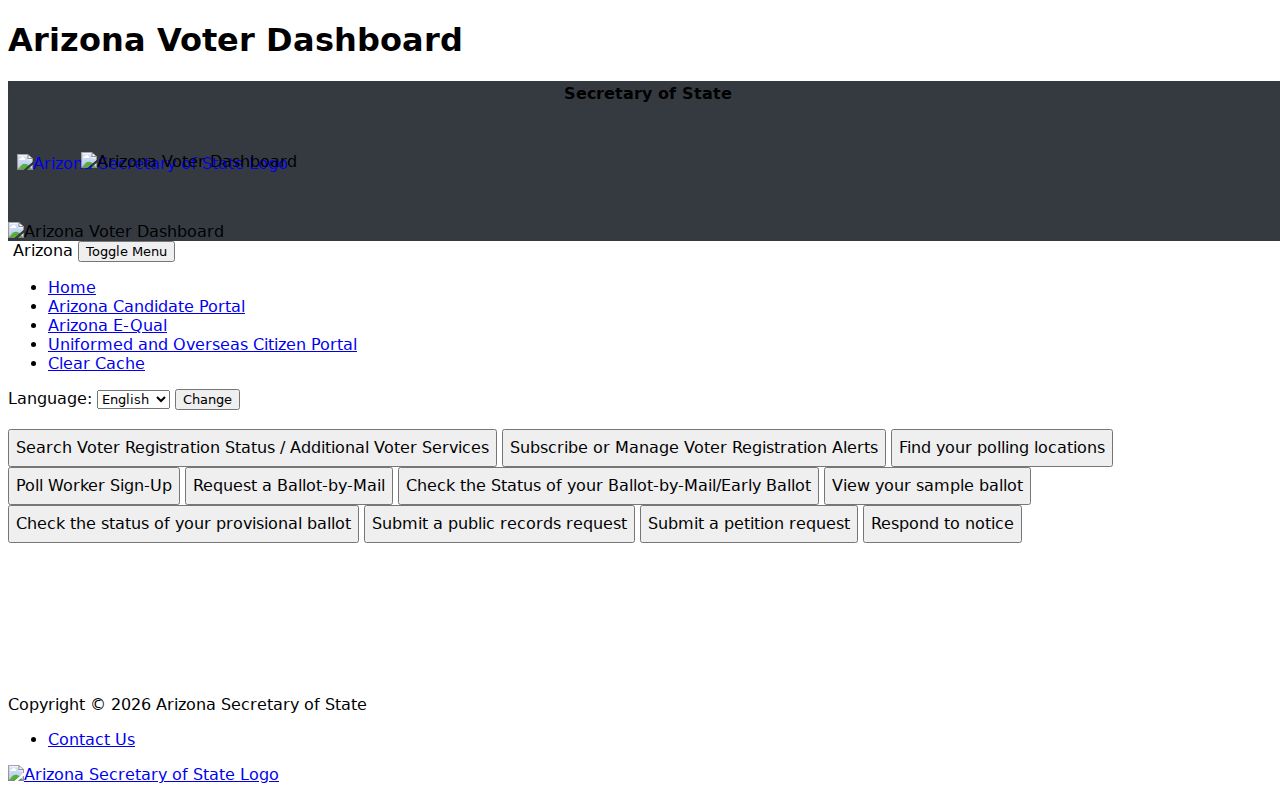
Fuller county files require a lawful request under A.R.S. §16-168. Protected voters under §16-153 are omitted, and full birth dates, Social Security numbers, state ID numbers, and signatures are not general public fields.
Scottsdale Vital Lookup Rules
Arizona's genealogy database opens birth certificates after 75 years and death certificates after 50 years under A.R.S. §36-351. Those age rules move each year, so verify the portal's current endpoint. Current certified birth and death records are controlled. Qualified applicants must document identity, relationship, or legal interest. The current death form asks for the decedent, date and place of death, parent or spouse details where known, applicant contact data, relationship, purpose, signature, identification, and proof.
The Arizona vital records service separates present-day certified requests from historical genealogy research.
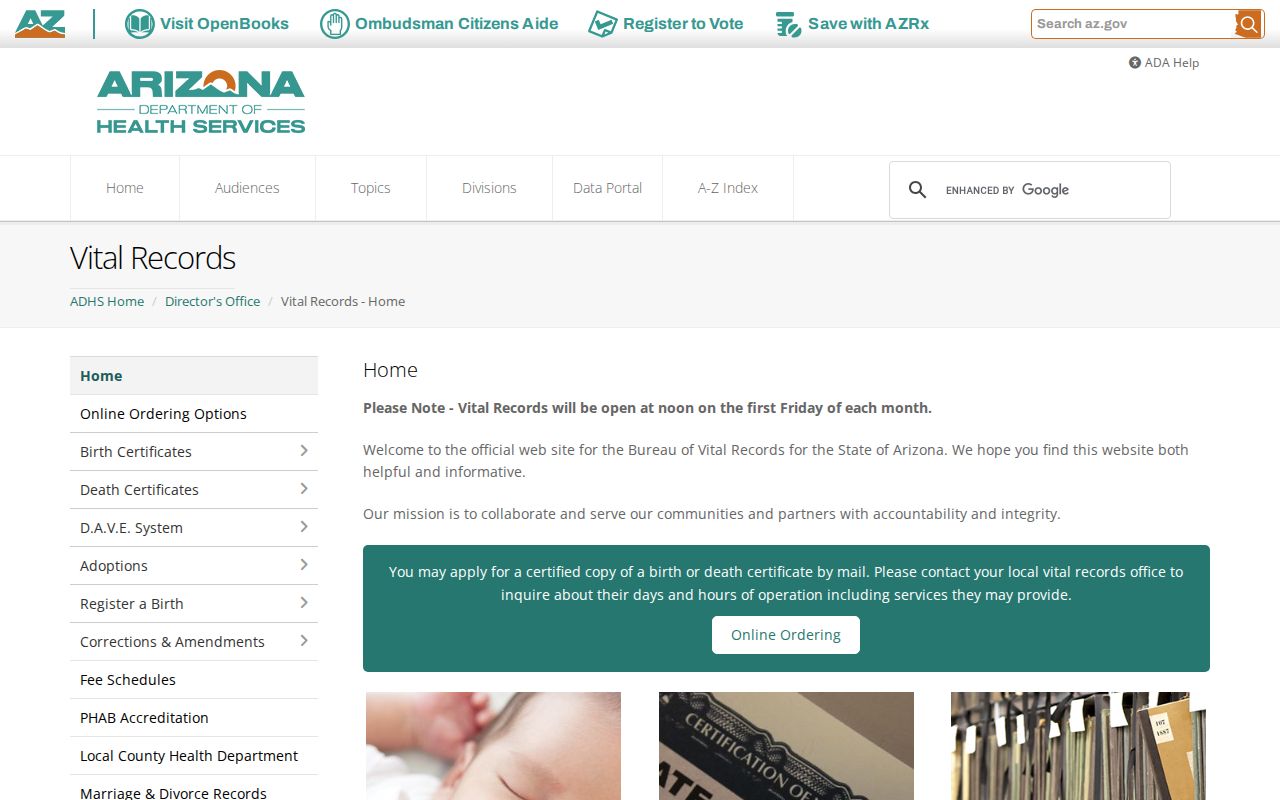
Adoption files and original birth certificates remain confidential except through statutory or court processes. Qualifying relatives use Arizona's court Confidential Intermediary Program rather than trying to bypass a closed record.
Scottsdale Business Identity Clues
A name may appear in an Arizona Corporation Commission entity file, Secretary of State trade-name or UCC record, or a professional board index. These sources can show entity status, formation date, statutory agent, principal address, managers or officers, filing history, or license standing. They prove an official role at a point in time, not a current home. The Arizona professional-license directory routes a Scottsdale lookup to the board that owns the record.
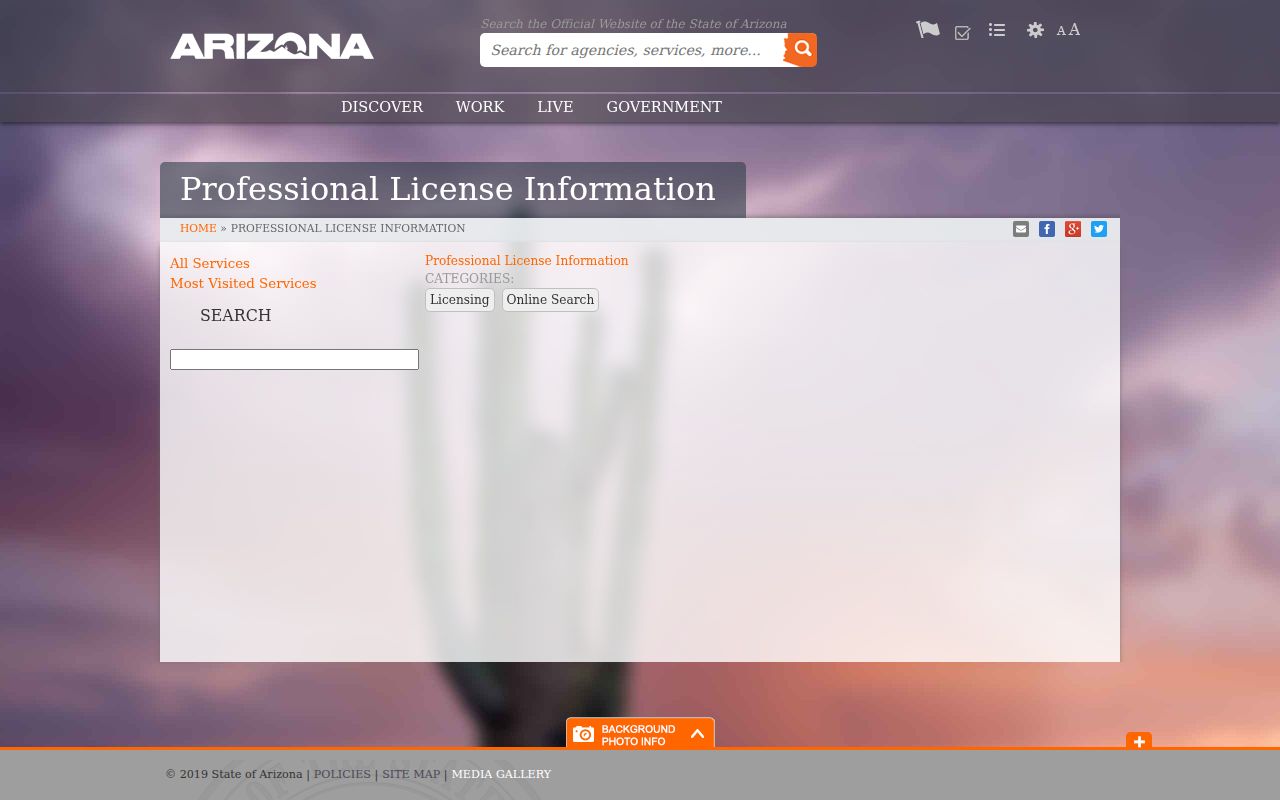
The board record is authoritative for credential status. Run punctuation, corporate suffix, initial, and full-name variants, and use an entity ID as the stable key when one is shown. Scottsdale planning files may also tie a person to a liquor application, project, or outreach record, but each link needs its own date and context. The Arizona Secretary of State business services supplies the trade-name, partnership, notary, and UCC paths.
A UCC debtor address is commercial or legal filing evidence. Treat every address as a contact or filing field unless another official source confirms its role.
Scottsdale Resident Lookup Limits
A lawful resident lookup stops where a record is closed or the evidence becomes too weak. Arizona's Address Confidentiality Program gives qualifying survivors a substitute address, mail forwarding, and protected voter registration. Current vital certificates, sealed and juvenile court matters, motor-vehicle addresses, utility customer data, and renter or household identities are not open directory fields. Public ownership and permit facts also cannot be deleted merely because someone would prefer privacy.
Corrections belong with the originating custodian. For a Recorder image, identify the recording number, page, and protected item. For a court record, contact the clerk and use Rule 123 procedures. For voter protection, follow the Secretary of State and county process. Save confirmation numbers and dates, and avoid repeating an exposed address while seeking a correction.
Lawful use. Scottsdale resident lookup records support family history, heir research, reconnection, and civic verification. Arizona law prohibits using them to stalk, harass, intimidate, or expose a protected person.